How to Incorporate Cutting-Edge Appliances into Your Australian Home

Adapting Home Spaces
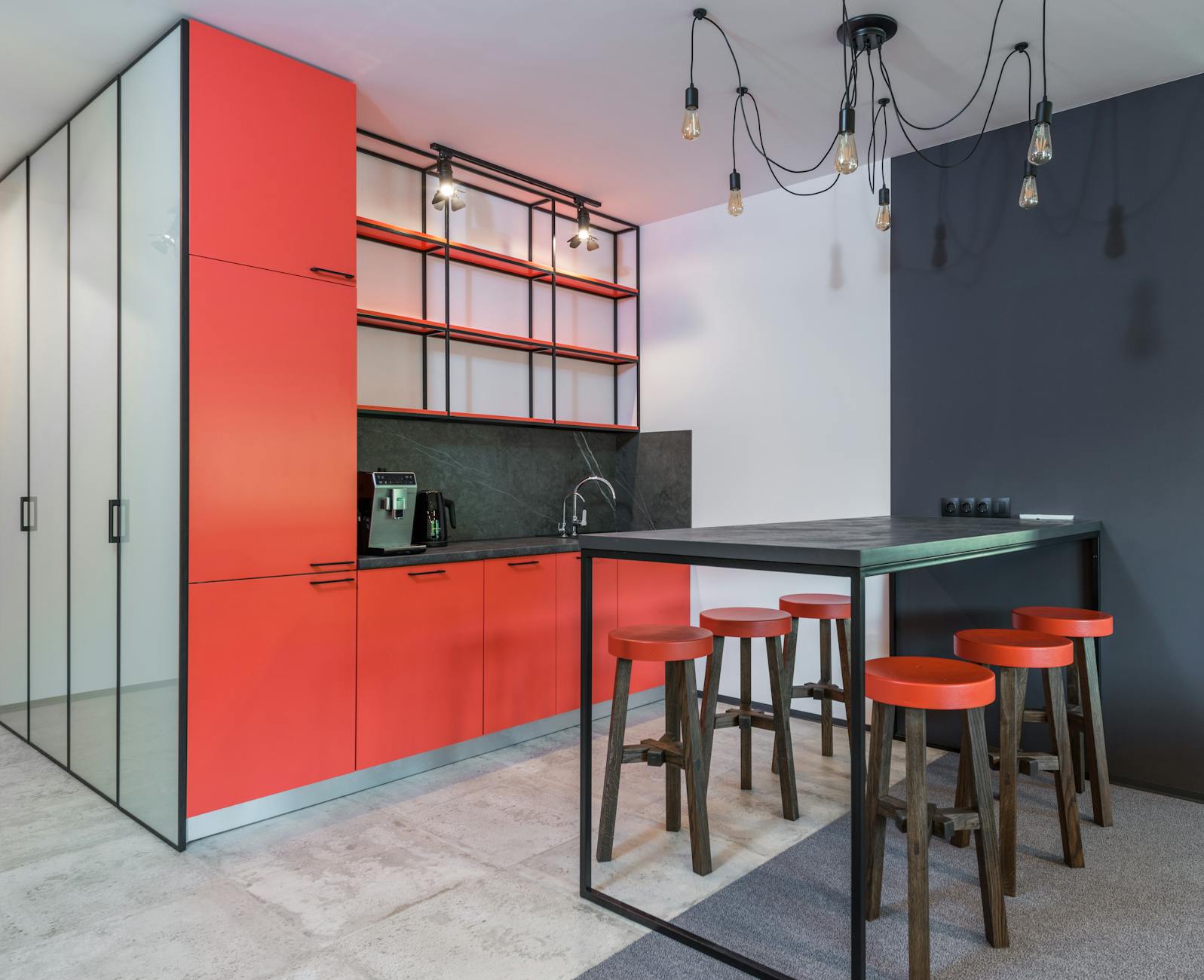
Evaluating Kitchen Upgrades
When you're considering kitchen upgrades, it's crucial to strike a balance between aesthetics and functionality. If you're looking to enhance efficiency, microwaves can be a game-changer. Their design has evolved well beyond mere reheating, now offering features like sensor cooking and convection capabilities. For larger installations, consider the placement of a fridge that aligns with workflow efficiency, minimising unnecessary movement in food preparation zones.
It's essential to evaluate the choice between upright and chest freezers. chest freezers boast larger storage capacities and energy-efficient operation, making them a worthy option for bulk storage needs. Walking through the industrial design studios in Newstead, you'll observe how thoughtful layouts can significantly impact operational flow and utility over time.
Transforming Living Areas
Transforming living spaces with innovative appliances can boost both comfort and energy efficiency. Utilising a modern fridge not only optimises energy consumption but also contributes to the overall ambience of the area with sleek, contemporary designs. Placing your attention on the ergonomics and accessibility of devices, similar to the inspiration from the design spaces at The Joinery, will set a foundation for a more harmonious living environment.
Enhancing Utility Rooms
In utility rooms, efficiency is paramount. Opting for energy-efficient chest freezers enhances the capacity for storage while minimising energy costs. The setup in these spaces is critical; inspiration from places like South Bank Parklands, with their efficient use of space, can be applied to ensure maximum utility without crowding. Each appliance should enhance operational flow, providing both aesthetic value and practical use for a seamless user experience.
Selecting Appliances
Choosing the right appliances for hospitality environments is paramount, where factors like budgetary control and operational efficiency are crucial. In Brisbane's vibrant design scene, places like the industrial design studios in Newstead offer valuable inspiration for blending aesthetics with functionality.
Prioritising Efficiency
When managing operations, employing appliances that minimise energy consumption is vital. Consider featuring appliances equipped with energy-efficient technology. Many modern bar fridges now come with enhanced insulation and eco-friendly refrigerants. This not only cuts down on energy costs but also aligns with sustainability practices, an increasingly important consideration in the hotel industry.
Ensuring Reliability
Reliability in appliances is non-negotiable. Picture a busy hotel kitchen suddenly dealing with non-functional equipment; it's a nightmare scenario. Selecting brands with a solid reputation for durability can prevent these setbacks. For instance, selecting water systems such as a zip tap ensures you have access to instant boiling or chilled water without the risk of breakdowns—a vital component in a smoothly functioning hospitality operation.
Assessing Practicality
In terms of practicality, appliances should be intuitive and easy to integrate into daily operations without complex training or adjustments. The key is to find solutions that offer seamless functionality and adapt to the ever-changing needs of a bustling hotel environment. Appliances that require minimal maintenance and provide quick access to repair services can save time and reduce operational disruptions, allowing teams to focus on enhancing the overall guest experience.
Installation Needs
Analysing Outlet Requirements
When delving into appliance installation, understanding outlet requirements is critical. Appliances like coffee machines and ovens demand specific electrical configurations to operate safely and efficiently. Begin by assessing your existing electrical system to ensure it can support energy demands. An upgrade might be necessary to accommodate high-wattage appliances, which could include installing dedicated circuits. Consulting with an electrician is vital for a detailed evaluation to avoid surges that jeopardise TV installations or other electronics.
Planning Space Allocation
Space planning is a key aspect that involves much more than just ensuring your appliances fit. The hospitality sector, for instance, often deals with compact spaces where strategic placement is crucial. The overarching aim is to enhance workflow dynamics, seamlessly integrating equipment without disrupting foot traffic. Consider the look and feel of industrial design studios in Newstead, where precision and functionality are harmonised by thoughtful space utilisation.
Considering Ventilation
Adequate ventilation is often an overlooked aspect, yet it's essential for maintaining appliance efficiency and longevity. For appliances like ovens, fridges, and laundry machines, proper ventilation prevents overheating and extends their lifespan. It's prudent to enhance ventilation systems for optimal operation and energy efficiency. This mitigates the risk of malfunction due to excessive heat build-up. In some cases, incorporating design features reminiscent of the airy and open-plan spaces found at The Joinery can add both aesthetic and functional value.
Maximising Functionality
Integrating Smart Features
In the realm of modern appliance design, integrating smart features enhances usability and operational efficiency. Whether selecting air fryers or dishwashers, embracing technology provides a plethora of advantages. Consider smart appliances that allow remote monitoring and control, which can streamline operations for busy professionals like Jake Ferguson. By employing internet connectivity, these devices enable adjustments and status checks from anywhere, adding layers of convenience and precision to daily activities.
Customising Appliance Settings
Customising appliance settings is paramount for tailoring functionality to specific needs. For instance, when using dishwashers in a hospitality setting, being able to adjust washing cycles and temperature is beneficial. This flexibility optimises performance tailored to varying workloads without compromising energy efficiency—a crucial consideration for operations that prioritise sustainability and cost-effectiveness.
Streamlining Maintenance
Efficient maintenance is key to extending the lifespan of any appliance. Regular upkeep keeps performance robust—a necessity in high-demand environments. Smart technology further assists by providing diagnostics and maintenance alerts, ensuring timely servicing. This proactive approach reduces unexpected downtimes, safeguarding the investments made in advanced appliance systems. Staying on top of maintenance needs not only preserves function but also upholds operational standards, aligning with Jake's goal to offer exceptional guest experiences.
Addressing Common Appliance Selection Errors
Overlooking Compatibility with Existing Infrastructure
Design professionals must meticulously assess the compatibility of new appliances with existing systems. One common misstep is ignoring how appliances like ovens or fridges integrate with the current power supply, especially in historical homes around South Brisbane. It’s a nuanced balance between form and function, much like curated art in the South Bank Parklands. Ensuring that dishwasher installation aligns with current plumbing and electrical systems not only prevents future mishaps but also streamlines design flow.
Ignoring Long-term Lifecycle Costs
It's imperative to consider the total ownership cost of an appliance, beyond the initial purchase price. The recurring expense of maintenance, especially for energy-intensive items like washing machines or air-conditioning units, must be factored into your budget forecast. Think of lifecycle costs the way we ponder the durability of permanent installations in the industrial design studios of Newstead. Embrace appliances that offer robust guarantees, reduce energy consumption, and minimise long-term financial obligations.
Neglecting User Training and Support Needs
Equally crucial to appliance design is educating end-users on optimal usability. Without proper training, even the most sophisticated systems can underperform. Whether it’s navigating complex controls on the latest smart refrigerator or understanding energy-efficient settings for heating units, offering systematic training ensures seamless integration into daily routines. Envision this as akin to the immersive learning sessions frequently conducted in the creative spaces at The Joinery. Proactive user education not only enhances appliance value but also elevates user experience to its fullest potential.